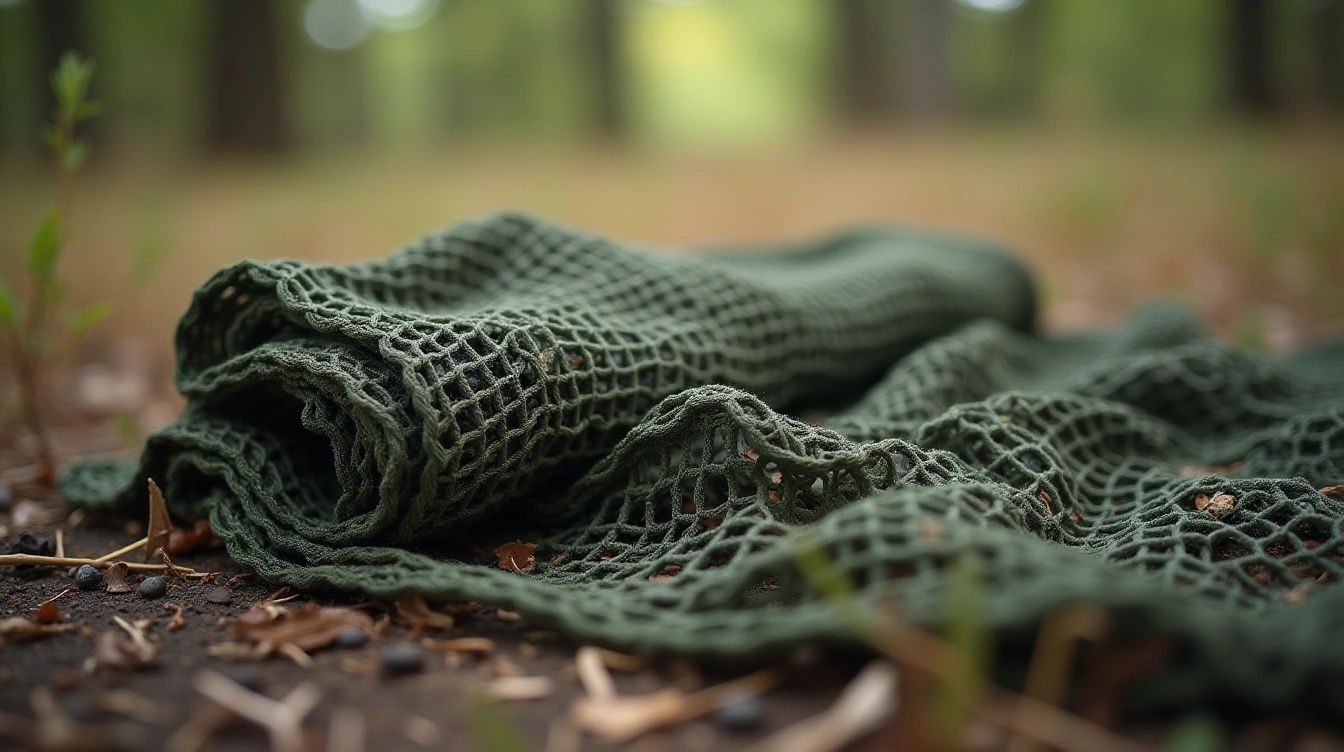
Essential camo netting: perfect choices for every need
Whether you’re setting up hunting blinds, securing military positions, or protecting equipment, quality camo netting makes the difference between success and exposure. According to recent industry data from 2024, tactical camouflage sales have increased by 23% as outdoor enthusiasts and professionals recognize its versatility. Are you choosing the right camouflage solution for your specific environment and mission requirements? Explore our comprehensive selection at https://sunny-garden-market.com/collections/camo-netting to find the perfect match for your needs.
Understanding different types of camouflage solutions
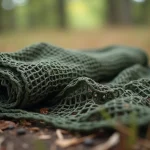
The effectiveness of camouflage netting depends entirely on matching the right pattern to your specific environment. Woodland camouflage remains the most versatile option, featuring green, brown, and tan patterns that blend seamlessly with forested areas and dense vegetation. This traditional design works exceptionally well for hunting blinds, military operations in temperate zones, and equipment concealment in natural settings.
Also read : How do I start a compost bin at home and what can I include?
For arid environments, desert camouflage provides superior concealment with its tan, beige, and light brown color scheme. The lighter tones reflect the sandy terrain and sparse vegetation found in desert regions, making it ideal for military applications in the Middle East or hunting in open, dry landscapes.
Urban camouflage addresses the growing need for concealment in built environments. Its gray, black, and white patterns mimic concrete structures, shadows, and urban debris. This specialized netting proves invaluable for law enforcement operations, urban warfare training, and security applications in metropolitan areas.
Also read : What are the best companion plants for tomatoes to improve growth and flavor?
Modern multi-terrain patterns offer the ultimate flexibility by combining elements from different environments. These advanced designs adapt to various surroundings, making them perfect when operations span multiple terrain types or when storage space limits carrying different netting varieties.
Key selection criteria for professional applications
-
Material Durability: High-density polyester fibers resist tearing and heavy wear. UV-resistant treatments extend the lifespan to up to 5 years outdoors.
-
UV Resistance: A stabilizing treatment protects colors from fading. Look for a minimum UV protection rating of Class 4 for extended use.
-
Ease of Installation: Reinforced grommet systems and integrated straps allow for quick deployment. Modular connectors facilitate the assembly of large areas.
-
Environmental Compatibility: Adapt the pattern to the operating environment. Woodland, desert, and urban variants offer optimal effectiveness depending on the context.
-
Size and Portability: Evaluate the ratio of deployed size to transport volume. Compact models reduce logistical footprint without compromising coverage. Value for Money: Invest in durable solutions rather than cost-effective alternatives that require frequent replacement.
Military and tactical deployment strategies
Modern military operations demand camouflage solutions adaptable to rapid deployments. Tactical camouflage nets must meet stringent performance standards, particularly in terms of resistance to extreme conditions and compatibility with existing weapon systems.
Field deployment techniques prioritize modular systems. Units must be able to install and retract their camouflage devices in less than fifteen minutes, while maintaining optimal effectiveness against visual and infrared detection.
This speed of execution becomes crucial during reconnaissance missions or tactical repositioning. Integration with standard military equipment is a major challenge. Nets must be compatible with armored vehicles, mobile command posts, and temporary installations without compromising the operational functionality of communication or weapon systems. This technical compatibility often determines the success of long-duration missions.
Hunting and outdoor recreation applications
Les passionnés de chasse et de photographie animalière trouvent dans les filets de camouflage des alliés indispensables pour leurs activités. Contrairement aux applications militaires, ces usages civils privilégient la discrétion visuelle et la facilité d’installation plutôt que la résistance aux conditions extrêmes.
Pour la construction d’affûts et de blinds de chasse, les filets woodland offrent une intégration parfaite dans les environnements forestiers européens et nord-américains. Leur maillage ajouré permet une ventilation naturelle tout en brisant efficacement la silhouette humaine, critère déterminant pour ne pas effrayer le gibier.
La photographie animalière exige des spécifications particulières. Les filets doivent être suffisamment légers pour un transport aisé lors des randonnées, tout en offrant une couverture optimale des équipements volumineux comme les téléobjectifs. Les modèles à mailles fines s’avèrent particulièrement adaptés car ils n’interfèrent pas avec la mise au point automatique des appareils photo.
Les activités de plein air bénéficient également de ces solutions de camouflage. L’observation ornithologique, la surveillance de la faune ou simplement le désir de se fondre dans la nature trouvent dans ces filets des réponses techniques parfaitement adaptées aux besoins civils.
Technical installation and best practices
The professional installation of camouflage files requires a minute preparation of the terrain and a selection of adapted tools. The essential equipment includes reinforced pickets, weather-resistant tension straps, and special fixation clips according to the type of support provided.
The fixation technique varies considerably depending on the support you choose. On rigid structures such as vehicles or installation fixes, multiple anchoring points are privileged with partitioning of poids. For temporary installations on vegetation, use non-invasive methods that preserve the natural environment all in guaranteeing tenuous optimality.
Preventive maintenance significantly prolongs the duration of life of the material. Regularly inspect the tension points, clean the accumulations of debris and verify the integrity of the fixations after intensive use. Frequent errors include excessive tension that weakens fibers, and improper positioning that compromises the effectiveness of camouflage.
Questions frequently asked by our clients
Our experts regularly receive questions about choosing and using camouflage netting. Here are the answers to the most frequently asked questions to help you with your selection.
What type of camouflage netting is best for hunting blinds?
For hunting blinds, opt for woodland or forest camo nets with dense mesh. They offer excellent concealment in wooded environments while allowing optimal visibility for the hunter.
How do I choose the right camo netting for military applications?
Military applications require multi-spectral nets resistant to infrared and radar detection. Choose according to the terrain: desert, woodland, or urban patterns, with defense certification if required.
What’s the difference between woodland and desert camouflage netting?
Woodland uses green and brown tones for forests and dense vegetation. Desert favors sand, beige, and ochre hues for arid terrain. Each pattern optimizes concealment according to the environment.
How do I properly install camouflage netting for maximum effectiveness?
Stretch the net taut without excessive creases, varying the heights to break up the geometric shapes. Secure it firmly to the anchor points and add natural vegetation to enhance the camouflage effect.
What size camouflage netting do I need for my vehicle or equipment?
Measure the total length, width, and height, then add a 20% margin. For a standard vehicle, allow a minimum of 6 x 8 meters. Bulky equipment requires custom dimensions according to its specifications.
Do you offer custom camouflage solutions for specific environments?
We offer customized solutions tailored to your specific environments. Our technical team analyzes your needs to develop patterns and dimensions perfectly suited to your specific applications.